Private Label Socks Materials Guide: Cotton, Bamboo, Merino Wool & Synthetic Blends Selecting the right private label socks materials ...
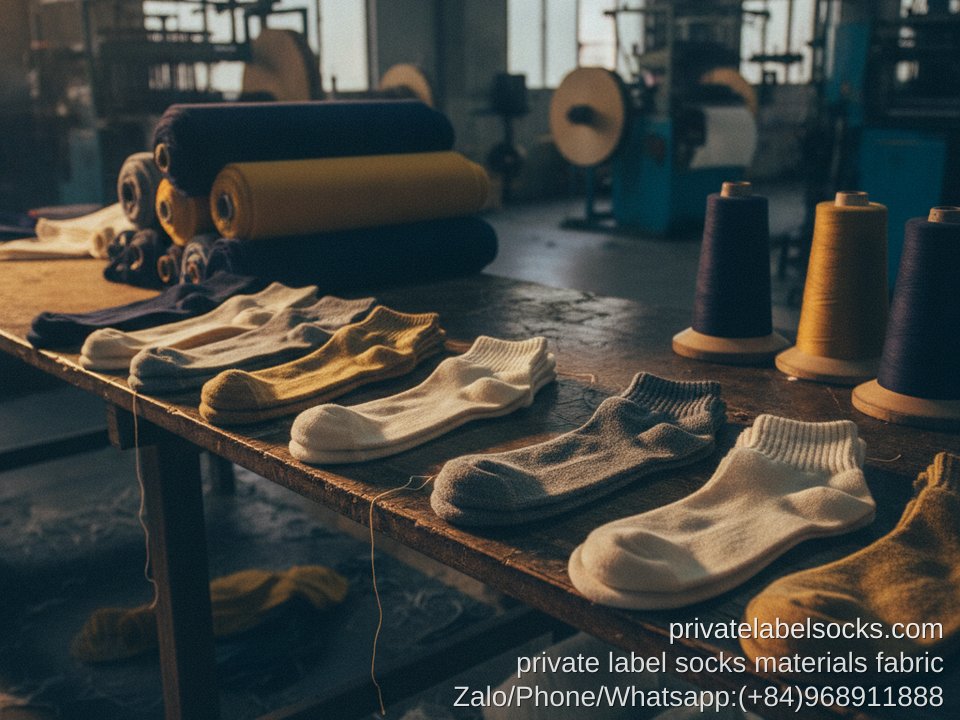
Private Label Socks Materials Guide: Cotton, Bamboo, Merino Wool & Synthetic Blends
Selecting the right private label socks materials fabric is a critical decision for any brand aiming to offer high-quality, comfortable, and durable socks. As a professional socks manufacturer in Vietnam, operated by Gold Garment, we understand that the material composition directly impacts performance, feel, and ultimately, customer satisfaction. This guide will explore the most popular sock materials, their unique properties, and which applications they suit best, helping you make an informed choice for your private label sock line.
At Private Label Socks, a division of Gold Garment based in Ho Chi Minh City, Vietnam, we specialize in producing a wide range of custom socks. Our factory-direct pricing and commitment to quality ensure you receive exceptional value. We cater to brands worldwide, offering worldwide shipping and a flexible MOQ of just 100 pieces per style. Understanding the nuances of sock materials is the first step in creating a successful product, whether you're looking for a reliable cotton socks manufacturer, a specialized bamboo socks OEM, or a premium merino wool socks supplier.
Our extensive experience in the industry, as detailed in our guide on custom socks factory Vietnam, allows us to guide you through the material selection process. We work closely with brands to ensure their vision is realized, from initial design to the final product. This involves a deep understanding of how different fibers behave and perform in various conditions. Let's delve into the primary materials that form the foundation of quality socks.
Cotton: The Classic Choice
Cotton is by far the most widely used natural fiber for everyday socks due to its softness, breathability, and affordability. It’s a natural cellulosic fiber derived from the cotton plant, making it a comfortable and familiar material for consumers. Its hypoallergenic properties also make it suitable for individuals with sensitive skin.
Types of Cotton Used in Socks
- Combed Cotton: This premium type of cotton has undergone a process where short, irregular fibers are removed, leaving longer and smoother strands. This results in a softer, stronger, and more durable sock that is less prone to pilling.
- Pima Cotton & Supima Cotton: These are extra-long-staple cotton varieties known for their exceptional softness, strength, and resistance to shrinking and pilling. They offer a luxurious feel and are often found in higher-end sock collections.
- Organic Cotton: Grown without synthetic pesticides or fertilizers, organic cotton is an environmentally friendly option that appeals to eco-conscious consumers. It retains the natural softness and breathability of conventional cotton.
Pros of Cotton Socks
- Softness and Comfort: Cotton offers a pleasant, soft feel against the skin.
- Breathability: It allows air to circulate, helping to keep feet cool and dry.
- Hypoallergenic: Generally well-tolerated by sensitive skin.
- Affordability: It is a cost-effective material, making it ideal for mass-market products.
Cons of Cotton Socks
- Moisture Retention: Cotton absorbs moisture but doesn't wick it away effectively, which can lead to damp feet and potential discomfort or blisters during intense activity.
- Durability: While combed and Pima cotton are durable, standard cotton can wear out more quickly than some synthetic blends.
- Shrinkage: Cotton can shrink, especially in high heat, requiring careful washing.
Best For:
Everyday wear, casual socks, children's socks, and brands prioritizing comfort and cost-effectiveness. It's an excellent base material for many types of socks, as explained in our Sock Types Guide.
Bamboo: The Sustainable & Soft Alternative
Bamboo fabric has gained significant popularity for its eco-friendly credentials and luxurious feel. Derived from bamboo pulp, it's processed into a soft, breathable, and often moisture-wicking material. Its smooth fiber surface contributes to a silky texture that is gentle on the skin.
Properties of Bamboo Fabric
- Softness: Bamboo fabric is renowned for its incredibly soft and smooth texture, often compared to silk or cashmere.
- Breathability & Moisture-Wicking: It has excellent breathability and can wick moisture away from the skin, keeping feet dry and comfortable.
- Hypoallergenic: The smooth fiber structure makes it less likely to cause irritation, making it a good choice for sensitive skin.
- Odor Resistance: Bamboo fibers possess natural antimicrobial properties that can help inhibit odor-causing bacteria.
- Sustainability: Bamboo is a fast-growing, renewable resource that requires little water and no pesticides to cultivate.
Pros of Bamboo Socks
- Exceptional Comfort: The soft, smooth feel is highly desirable for premium sock lines.
- Performance in Warmth: Its moisture-wicking properties make it suitable for various climates.
- Eco-Friendly Appeal: A strong selling point for environmentally conscious brands.
- Odor Control: Helps keep feet fresh throughout the day.
Cons of Bamboo Socks
- Durability: While soft, bamboo fabric can sometimes be less durable than other materials if not blended properly or if subjected to harsh wear.
- Cost: Generally more expensive than standard cotton socks.
- Processing Concerns: The environmental impact of processing bamboo into rayon can vary; look for certifications to ensure responsible manufacturing.
Best For:
Brands seeking a premium, eco-friendly, and exceptionally soft sock. Ideal for loungewear, casual socks, and everyday wear where comfort and sustainability are key selling points. It's a strong contender for bamboo socks OEM projects.
Merino Wool: The Performance Powerhouse
Merino wool is a natural fiber derived from Merino sheep, celebrated for its exceptional performance characteristics. Unlike traditional wool, Merino is much finer and softer, making it comfortable against the skin without the scratchiness often associated with wool.
Key Attributes of Merino Wool
- Thermoregulation: Merino wool can keep you warm in cold weather and cool in warm weather by efficiently managing moisture and airflow.
- Moisture-Wicking: It effectively wicks moisture away from the skin and can absorb a significant amount of water vapor before feeling damp.
- Odor Resistance: Natural antimicrobial properties in Merino wool inhibit the growth of odor-causing bacteria, allowing socks to be worn for extended periods without developing unpleasant smells.
- Softness: Fine Merino fibers are soft and non-itchy, providing excellent comfort.
- Durability: It is a resilient fiber that can withstand regular wear and washing.
Pros of Merino Wool Socks
- Superior Temperature Regulation: Excellent for all seasons and varying activity levels.
- Excellent for Outdoor & Athletic Use: Ideal for hiking, running, skiing, and other demanding activities.
- Natural Odor Control: Reduces the need for frequent washing, making them travel-friendly.
- Comfortable and Non-Irritating: A great alternative for those who find traditional wool uncomfortable.
Cons of Merino Wool Socks
- Cost: Merino wool is a premium material and therefore comes with a higher price point.
- Care Requirements: While durable, it often requires more delicate washing and drying to maintain its properties and prevent shrinkage.
- Color Fastness: Some dyes may not be as colorfast as with synthetic fibers, though advancements are continually being made.
Best For:
Athletic socks, hiking socks, outdoor adventure socks, travel socks, and premium everyday socks for consumers who value performance and natural fibers. As a leading merino wool socks supplier, we can help you leverage these benefits. Vietnam custom sock OEM ODM.
Synthetic Blends: Versatility and Performance
Synthetic fibers are engineered materials that offer a wide range of properties, often excelling in durability, moisture management, and specific performance features. They are frequently blended with natural fibers like cotton or wool to enhance the overall sock performance and feel.
Common Synthetic Fibers in Socks
- Polyester: Known for its durability, resistance to stretching and shrinking, and excellent moisture-wicking capabilities. It’s often used in athletic socks for its quick-drying properties.
- Nylon (Polyamide): Offers exceptional strength, durability, and elasticity. It’s highly resistant to abrasion, making it a common component in high-wear areas of socks, such as the heel and toe.
- Spandex (Elastane/Lycra): Provides stretch and shape retention. A small percentage of spandex is crucial for ensuring socks fit snugly and stay up without sagging.
- Acrylic: Mimics wool in terms of warmth and softness but is often more affordable and easier to care for. It’s known for its resistance to shrinking and wrinkling.
Pros of Synthetic Blends
- Enhanced Durability: Synthetics like nylon and polyester significantly increase a sock's lifespan.
- Superior Moisture Management: Many synthetics are excellent at wicking moisture away from the skin, keeping feet dry during activity.
- Shape Retention: Spandex ensures a consistent fit and prevents socks from losing their shape.
- Cost-Effectiveness: Can offer high performance at a more accessible price point.
- Versatility: Blends can be customized to achieve specific properties for different sock types.
Cons of Synthetic Blends
- Breathability: Some pure synthetics can be less breathable than natural fibers, potentially leading to heat buildup.
- Environmental Impact: Most synthetics are derived from petroleum and are not biodegradable, raising sustainability concerns.
- Odor Retention: Certain synthetic fibers can trap odors more readily than natural fibers, although advancements in odor-control treatments are addressing this.
Best For:
Athletic socks, performance socks, work socks, and any sock requiring high durability, specific moisture-wicking capabilities, or stretch. Blending synthetics with natural fibers is a common practice to achieve the optimal balance of comfort, performance, and cost. Understanding these blends is key to any Vietnam custom sock OEM ODM project.
Choosing the Right Private Label Socks Materials Fabric
The ideal private label socks materials fabric depends entirely on your brand's target market, intended use, and price point. For everyday comfort and affordability, cotton is a reliable choice. For a premium, eco-conscious, and luxuriously soft option, bamboo is excellent. For high-performance athletic or outdoor socks, Merino wool or well-designed synthetic blends are superior.
We often see brands looking to diversify their offerings. For instance, a brand known for its apparel might also partner with a Vietnam sweatshirt manufacturer and seek complementary sock lines. Our commitment at Private Label Socks is to provide you with the expertise to select the perfect materials, ensuring your customers receive socks that meet and exceed their expectations. Whether you are just starting or expanding your product line, our 10+ years of experience and factory-direct pricing make us an ideal partner.
To truly understand the manufacturing process behind these materials, refer to our article on How Private Label Socks Are Made: The Manufacturing Process Step-by-Step. This will give you a comprehensive overview of how your chosen materials are transformed into finished products.
Frequently Asked Questions
Q: What is the best material for everyday socks?
A: For everyday socks, cotton is often considered the best material due to its comfort, breathability, and affordability. However, blends of cotton with synthetic fibers like polyester or nylon can enhance durability and moisture-wicking. For a more luxurious feel, bamboo is an excellent choice.
Q: Are bamboo socks good for sensitive skin?
A: Yes, bamboo socks are generally excellent for sensitive skin. The fibers are naturally smooth and round, reducing the likelihood of irritation. They are also hypoallergenic and possess some antimicrobial properties, which can be beneficial.
Q: How do I choose between Merino wool and synthetic blends for athletic socks?
A: If you prioritize natural odor control, superior temperature regulation in varying conditions, and a soft feel, Merino wool is an excellent choice. For maximum durability, aggressive moisture-wicking in hot conditions, and potentially lower cost, synthetic blends (like polyester and nylon) might be preferred. Often, a blend of Merino wool and synthetics offers the best of both worlds.
Q: What is the minimum order quantity for private label socks?
A: At Private Label Socks, our minimum order quantity (MOQ) is a flexible 100 pieces per style. This allows brands of all sizes to start their private label sock lines without a significant upfront investment, as detailed in our Minimum Order Quantity for Private Label Socks guide.
Partner with Private Label Socks to create your custom sock line, leveraging our expertise in material selection and manufacturing.
Explore our comprehensive guide on Private Label Socks: Complete OEM & Private Label Buyer's Guide to further understand the process.
📩 Request a Free Quote — Response Within 5 Minutes
GOLD GARMENT — Vietnam's Trusted Socks Manufacturer
📱 WhatsApp: +84 968 911 888
📩 Email: contact@goldgarment.com
🌎 Website: privatelabelsocks.com
📍 Factory: 32 Pho Quang, Ho Chi Minh City, Vietnam
Factory-direct pricing · MOQ from 100 pcs · Sample development · Worldwide shipping


COMMENTS